

When the Meal Plan Runs Out
One Student’s Struggle to Afford Food on Campus
Chance Archer, a college student juggling full-time classes and part-time work, faced a problem many students know too well: his meal plan did not cover periods when he was off campus. With limited income and no extra support, he had to find a way to put food on the table.
Denied by the System
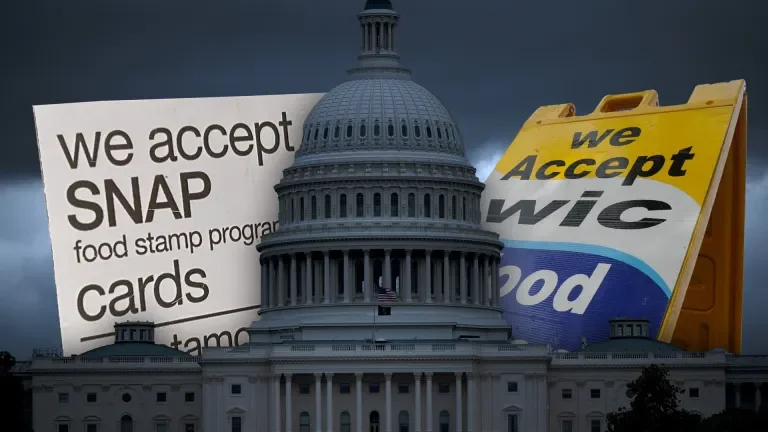
Archer turned to SNAP, the federal program meant to help low-income individuals access food. But he was denied. Federal rules restrict SNAP eligibility for full-time students, and his gaps in coverage, breaks, and days off campus did not qualify.
“This was a real wake-up call,” Archer said. “I had no idea that being a full-time student meant I could be automatically denied the support I actually needed.”
The Numbers Behind the Struggle
Archer’s experience is far from unique. Nearly one in four college students, about 23% nationally, experienced food insecurity in 2020(GAO, 2024). Other studies confirm similar trends, with some campus surveys reporting that more than one in three students struggled to access enough food in the past month (MDPI, 2020).
For students like Archer, these numbers translate into real decisions about whether to buy groceries, skip meals, or cut back on necessities.
Speaking Out
Recently, Archer shared his perspective in an interview with CBS 6, emphasizing the struggles of students and youth going without food, especially during the winter months. “No kids should go without basic items or a warm coat during the winter,” he told the news outlet, highlighting how gaps in support programs affect young people across Virginia.
Finding a Way Forward
Archer’s experience inspired the creation of One Small Chance, a nonprofit dedicated to supporting students and young adults facing financial hardship. The organization shares stories like his to educate the public and advocate for programs that reflect the realities of student life.
“Policies can have unintended consequences,” said a representative for One Small Chance. “Even programs meant to help can fail students if they do not consider the realities of their daily lives.”
Lessons for Students and Institutions
Archer’s story highlights the gap between policy and lived experience. Programs designed to help low-income individuals may not account for the unique circumstances of self-supporting students. Awareness of these challenges is the first step toward change, both in policy and on campus.
